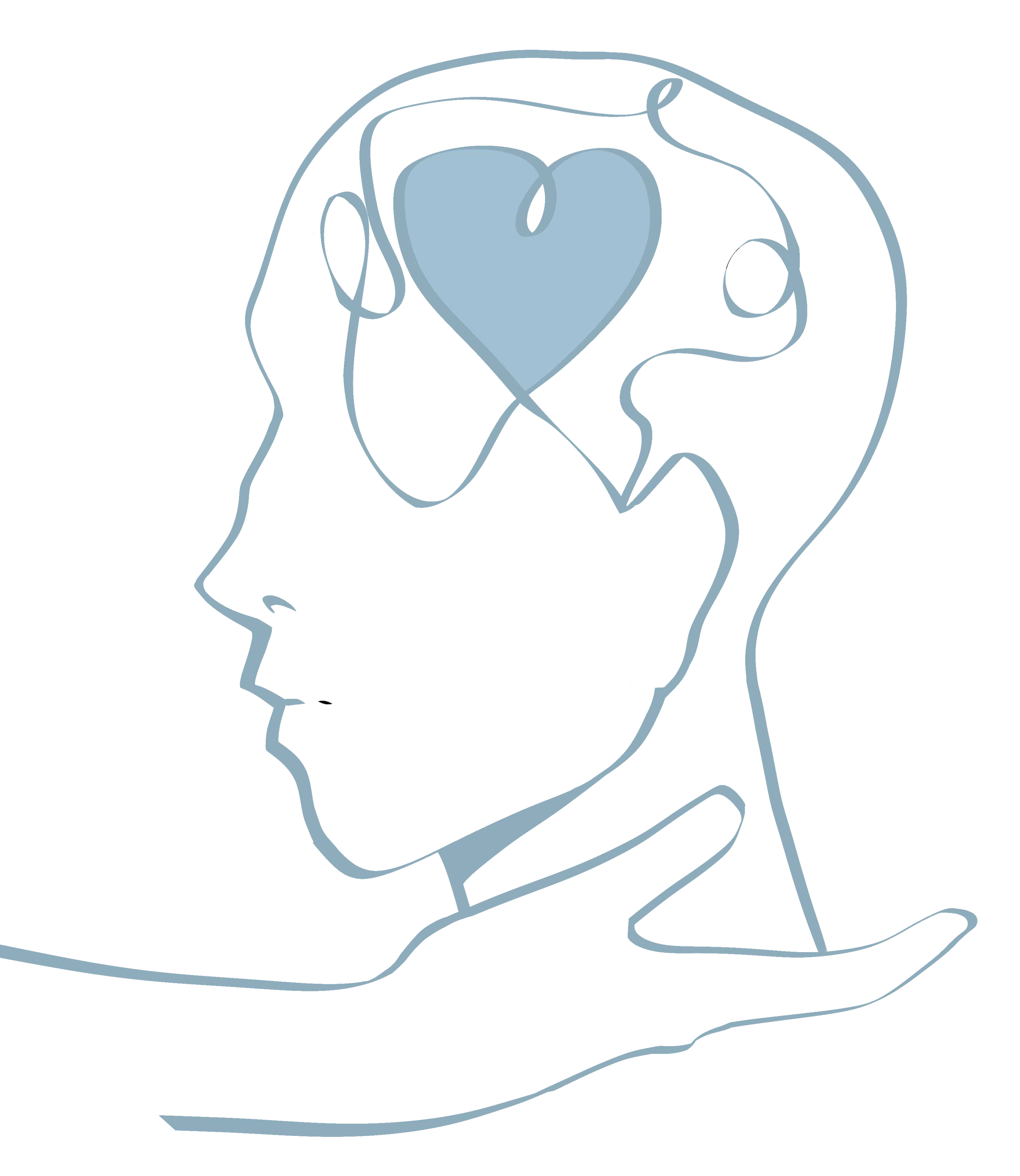
“Understanding Anxiety: When Worry Becomes Too Much”
We all worry. It’s part of being human. But when that worry becomes constant, overwhelming, or interferes with daily life, it may be something more: anxiety.
At Rekindled Hope Counseling, we understand how anxiety can silently shape a person’s thoughts, relationships, and health. Whether you’re dealing with anxious thoughts for the first time or have been managing them for years, you're not alone—and healing is possible.
What Is Anxiety?
Anxiety is the body’s natural response to stress, danger, or uncertainty. It’s a survival mechanism meant to keep us alert. But when that alarm system goes off too often—or for no clear reason—it can become exhausting and disruptive.
Anxiety is more than just feeling nervous. It can affect:
-
How you think (racing thoughts, worst-case scenarios)
-
How you feel (restlessness, fear, dread)
-
How your body responds (sweating, rapid heartbeat, stomach issues)
Common Types of Anxiety Disorders
-
Generalized Anxiety Disorder (GAD)
Ongoing, excessive worry about everyday things—even when there’s no clear cause. -
Panic Disorder
Sudden, intense episodes of fear or panic that include physical symptoms like shortness of breath, chest pain, or dizziness. -
Social Anxiety Disorder
Intense fear of judgment, embarrassment, or rejection in social situations. -
Phobias
Extreme fear of specific objects or situations (e.g., flying, spiders, heights). -
Health Anxiety
Constant worry about having a serious illness despite reassurance from doctors. -
Separation Anxiety (in adults or children)
Fear of being apart from loved ones or a sense of distress when separated.
Signs You May Be Experiencing Anxiety
-
Constant or uncontrollable worry
-
Difficulty sleeping or relaxing
-
Muscle tension or frequent headaches
-
Irritability or difficulty concentrating
-
Avoiding situations that may trigger stress
-
Feeling like something bad is about to happen
What Causes Anxiety?
Anxiety can be caused by a combination of factors, including:
-
Genetics – Family history of anxiety or other mental health conditions
-
Life experiences – Trauma, chronic stress, or sudden life changes
-
Personality traits – Perfectionism, people-pleasing, or being highly sensitive
-
Biology – Brain chemistry and how your body processes stress
No matter the cause, anxiety is not your fault. It’s a condition—and conditions can be treated.
How Therapy Can Help
Anxiety often tells us stories that aren’t true—about our safety, our worth, or our future. Therapy helps untangle those thoughts and teaches you how to respond rather than react.
At Rekindled Hope Counseling, we use evidence-based approaches such as:
-
Cognitive Behavioral Therapy (CBT) – Restructure negative thought patterns
-
Mindfulness & Somatic Techniques – Connect with your body and calm your nervous system
-
Attachment-Based Therapy – Address anxiety rooted in early relationships
-
Psychoeducation & Coping Skills – Empower you with tools to manage daily triggers
You’re Not Alone—And You Don’t Have to “Just Cope”
Anxiety is one of the most common mental health challenges—and also one of the most treatable. Seeking support is not a sign of weakness; it’s a step toward reclaiming peace and clarity.
Whether you’ve lived with anxiety for years or it’s just beginning to show up, you deserve support that sees the whole you.
Ready to breathe easier?
Schedule a session with a licensed therapist today at www.rekindledhope.com.
📍 Serving Utah & Georgia | Virtual therapy available