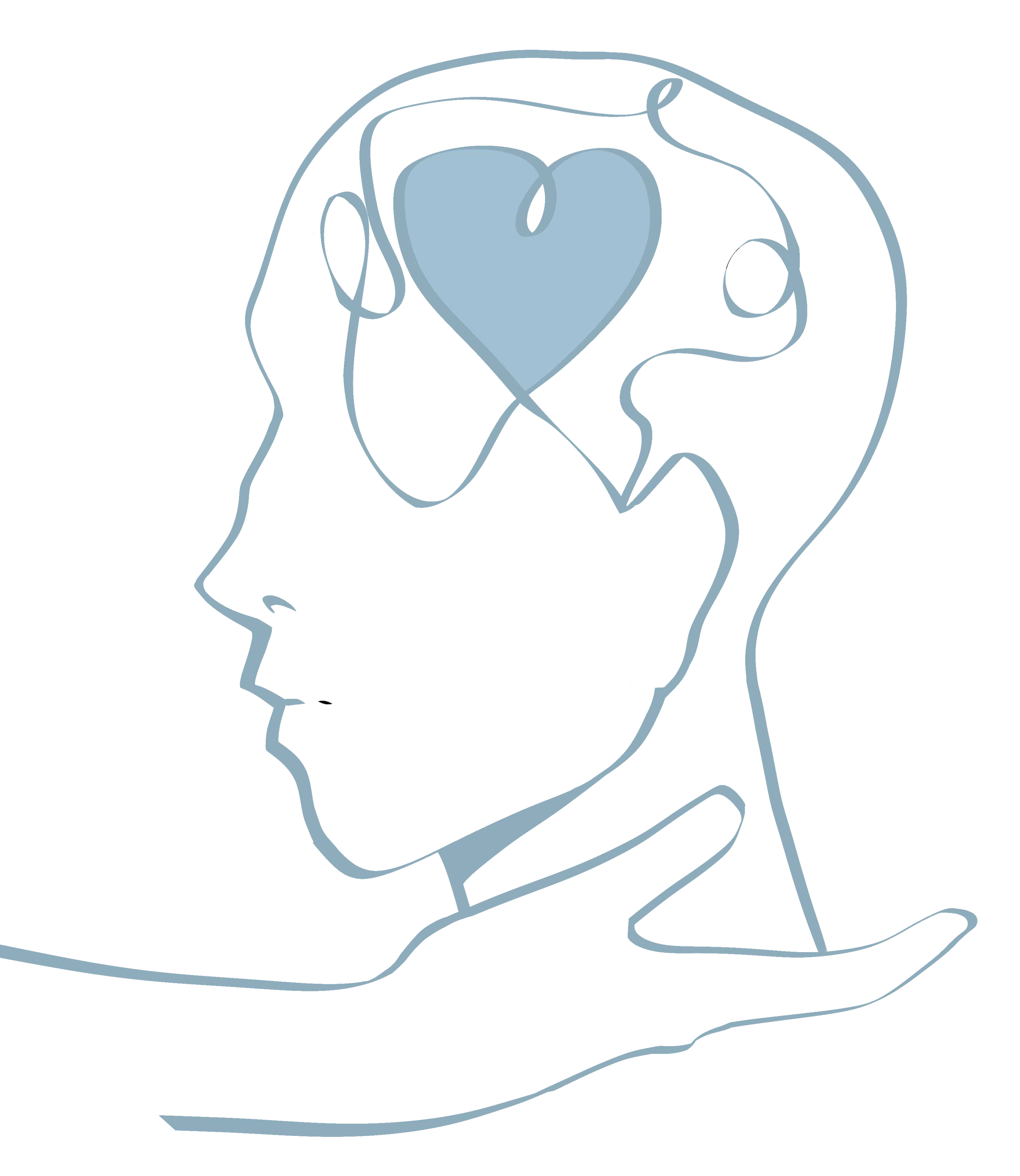
When early hurts don’t get the care they needed, they don’t just sit in memory—they live in the body. As a result, patterns of nervous system dysregulation in relationships can quietly shape how partners connect, communicate, and repair. And when life feels heavy, those patterns often get louder, which is exactly when couples need the most support.

What Is Nervous System Dysregulation?
Dysregulation means your stress response operates outside a comfortable “window of tolerance.” In practice, you might tip into fight/flight (activation) or freeze/fawn (shutdown/appease). Moreover, this wiring affects how safe you feel with your partner and how you show up in conflict. Even so, the goal isn’t perfect calm; rather, it’s learning skills that help your body return to steady again and again.
How Childhood Wounds Shape the Nervous System
The body learns from experience, and it remembers. When caregiving is inconsistent or unsafe, the nervous system adapts to survive.
Over time, chronic stress can shift hormonal and autonomic patterns; consequently, ease and closeness become harder to access later on.
In other words, your adult reactions often make sense once your history is in the room.
- Inconsistent or unsafe caregiving: the body expects threat or withdrawal and, therefore, stays in survival mode.
- Stress-system shifts: over- or under-responsive patterns reduce flexibility under pressure; similarly, recovery takes longer.
- Emotional skill gaps: when you’re busy surviving, self-soothing and naming feelings may stall; as a result, emotions feel “too much” in adulthood.
For helpful overviews, see the
National Child Traumatic Stress Network.
Additionally, peer-reviewed research is available via
NIH/PubMed Central.
How It Shows Up in Relationships & Marriage
Intimate partnerships wake up our attachment templates, and old patterns tend to reappear with the person we love most.
Consequently, small misunderstandings can escalate quickly because the body is reading danger rather than conversation.
Yet with language and support, these cycles can soften.
- Fight/Flight: reactivity, anger outbursts, hyper-vigilance, and quick assumptions of rejection; therefore, repair gets delayed.
- Freeze/Fawn: shutdown, numbness, or people-pleasing to keep the peace; meanwhile, needs go unspoken.
- Attachment loops: pursue/withdraw cycles where each person’s strategy turns up the other’s; eventually, both feel alone.
- Threat misreads: neutral cues feel risky because the body is primed to protect you; consequently, everyday stressors feel like emergencies.
What Helps Couples Heal?
Regulation is learnable, and small, consistent practices create real change. Better still, partners can co-regulate so both feel steadier.
- Know your tells: notice racing heart, tight chest, numbness, or tunnel vision early so you can pause before spiraling; then choose a skill.
- Make a co-regulation plan: code word → pause → 2–3 minutes of breathing/grounding → resume with curiosity; as a result, conflict becomes safer.
- Use somatic tools: slow exhales, gentle movement, the 5-4-3-2-1 senses exercise, or a mindful walk; importantly, consistency beats intensity.
- Build safety rituals: weekly check-ins, time-out agreements, and quick repair after ruptures; over time, trust accumulates.
- Get trauma-informed care: approaches like IFS, DBT, and nervous-system-informed couples therapy; additionally, individual work can speed progress.
Continue Your Healing
You don’t have to do this alone. In the meantime, explore our services and resources below so you can choose a next step that fits.
FAQs: Nervous System Dysregulation in Relationships
What is “nervous system dysregulation”?
It’s when your stress response sits outside a comfortable zone—either revved up (fight/flight) or shut down (freeze/fawn). Consequently,
connection can feel shaky because your body is working hard to protect you.
How do childhood wounds affect my marriage?
Early experiences teach your body what to expect—safety or distance. Thus, in adult relationships you may see reactivity, shutdown,
or people-pleasing during hard moments.
Can communication tools fix dysregulation?
They help; however, tools stick best when the body feels safe. Therefore, nervous-system practices and co-regulation make communication skills land.
What can we try at home?
Use a shared pause: name what’s happening, ground for 2–3 minutes (breathing, senses), and then resume with “I” statements and curiosity.
Do you offer counseling in my area?
Yes—South Jordan, Salt Lake County, and Utah County in Utah; McDonough and Henry County in Georgia; plus secure telehealth across both states.
How do we get started?
Reach out here to schedule a couples or individual session; afterward, we’ll map your first steps together.