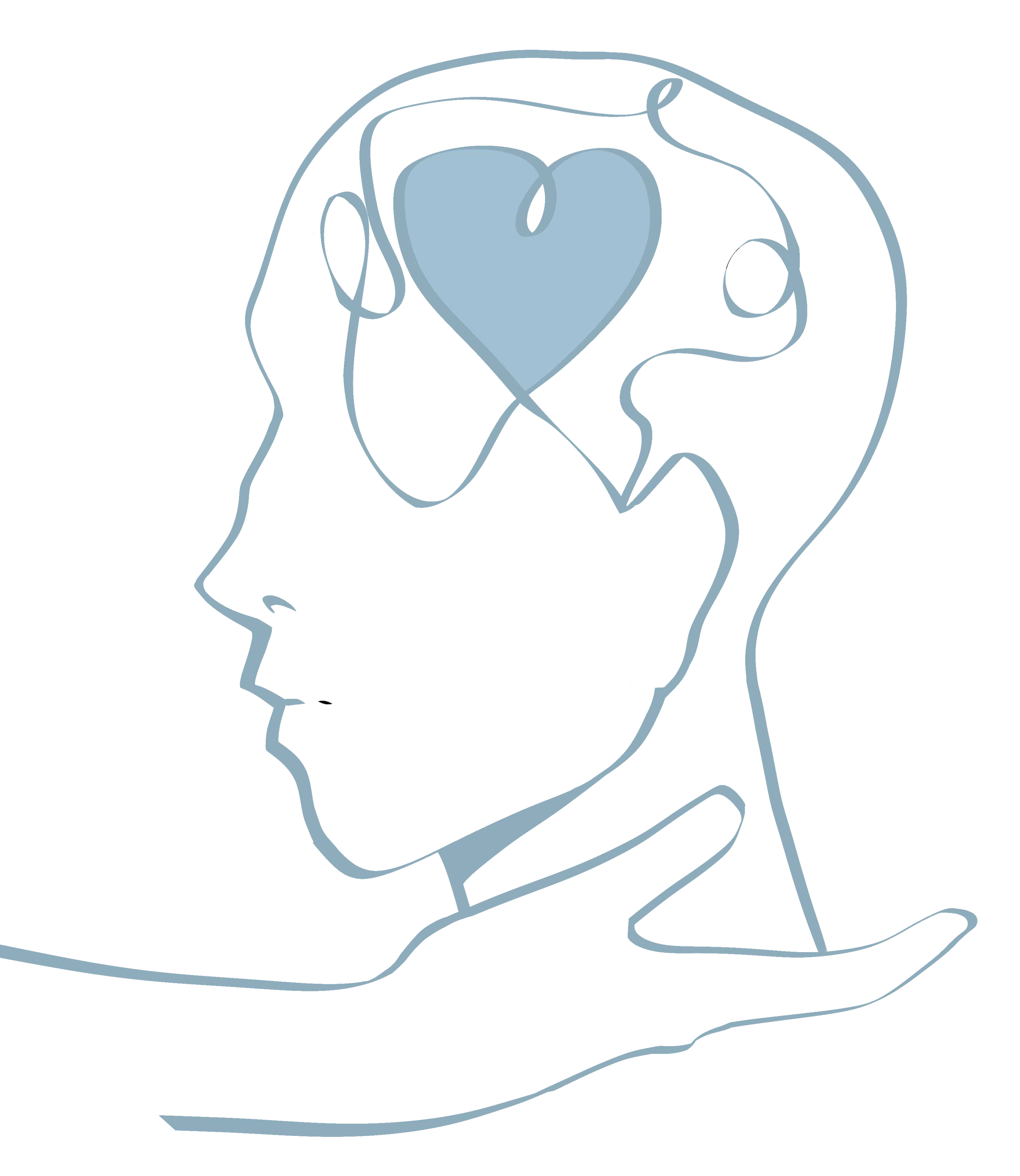
Anxiety in men often goes unnoticed or misread, even though many men silently carry intense stress, pressure, or a constant sense of being “on edge.” If you’re a man experiencing anxiety, or you love someone who is, this post will help you understand the signs, the patterns underneath them, and how men can finally get meaningful support.

Anxiety in men is much more common than people think; however, it often remains unspoken. Many men share things like:
“I don’t talk about this because I don’t want to look weak.”
“I don’t know how to explain what’s happening inside.”
“I’ve always been the strong one. I’m not supposed to feel this way.”
Although these fears are understandable, feeling anxious does not mean you’re weak. In reality, it means your body and mind are signaling that something needs care. Because men often experience anxiety differently than women, symptoms may get overlooked or misunderstood. As a result, many men stay silent, relationships feel strained, and the body carries stress that grows heavier over time.
How Anxiety Shows Up in Men (Even When No One Notices)
Many men don’t label their anxiety as “worry.” Instead, it tends to appear in ways that seem disconnected from anxiety at first glance. For example, men may feel irritated over small things, withdraw during conversations, or shut down emotionally. Because of this, anxiety often goes unnoticed even when it’s affecting daily life.
In addition, men commonly experience:
- mental restlessness or inner pressure
- trouble relaxing, even during downtime
- zoning out or avoiding conversations
- overworking to stay in control
- emotional numbness
- tension, headaches, or stomach discomfort
- difficulty concentrating or feeling overwhelmed
These symptoms are not personal flaws. Instead, they’re signs your nervous system is working too hard without enough support.
Why Men Struggle to Talk About Anxiety
Many men grow up hearing messages such as “don’t cry,” “be strong,” or “figure it out.” Because of this, showing emotion may feel unfamiliar or risky. However, avoiding emotional expression doesn’t make anxiety disappear. It simply forces it inward and increases pressure over time.
Eventually, the silence becomes exhausting. Men often worry they’ll be judged or misunderstood, which makes it even harder to reach out. Even so, therapy offers space to talk without judgment or expectation. Therefore, learning to explore emotions safely becomes a turning point in reducing anxiety.
What Happens When Anxiety Goes Unaddressed
When anxiety isn’t supported, it gradually expands into different areas of life. For example, relationships may become strained because communication becomes harder. At work, concentration may drop or burnout may appear. Meanwhile, the body begins responding with physical symptoms.
Eventually, men often feel worn down, disconnected, or unable to relax. However, understanding these patterns helps create clarity about what needs to change. Once men recognize how anxiety impacts relationships, work, and the body, they gain direction for healing.
Relationships
- difficulties expressing emotions
- shutting down during conflict
- irritability or withdrawing
- feeling emotionally distant
Work & Responsibilities
- burnout or chronic stress
- overworking to cope
- loss of focus or motivation
- pressure to perform without rest
The Body
- tightness in the chest or jaw
- stomach issues
- frequent headaches
- sleep disruptions
Self-Identity
- feeling “not enough”
- difficulty relaxing
- constant internal pressure
- a sense of disconnection
What Helps Men Reduce Anxiety
There are several effective ways to reduce anxiety that don’t require becoming someone you’re not. First, naming emotions in simple terms — even just “I feel pressure” — helps decrease intensity. Next, learning how anxiety shows up physically provides a sense of predictability and control.
In addition, therapy challenges old beliefs about strength and offers grounding tools that support the nervous system. Eventually, men learn healthier communication skills that strengthen relationships rather than strain them. Therefore, the combination of emotional awareness, somatic tools, and supportive connection becomes a powerful path toward healing.
1. Naming emotions
Simple language is enough. Naming what you feel begins to release tension.
2. Understanding physical patterns
Tight breathing, restlessness, and pressure are signals — not failures.
3. Challenging old beliefs
You don’t have to be the “rock” every moment of your life.
4. Somatic grounding & nervous-system tools
Grounding helps your body settle so your mind can follow.
5. Communication skills that feel natural
Therapy teaches ways to express yourself without shutting down or getting defensive.
6. Processing pressure & expectations
Talking through stress reduces emotional overload.
If You’re a Partner of a Man with Anxiety
Partners often feel confused or unsure how to respond. For instance, they may say:
- “He gets quiet and I think I did something wrong.”
- “He pulls away when he’s overwhelmed.”
- “He seems stressed but won’t talk about it.”
Anxiety in men is rarely about a lack of love. Instead, it’s a survival response. Support helps men reconnect, communicate clearly, and feel safer opening up.
You Don’t Have to Hold This Alone — Support Is Available
Reaching out for therapy is not a sign of weakness. Instead, it is a form of strength, courage, and leadership over your life. Rekindled Hope Counseling offers in-person therapy in Georgia and Utah, along with telehealth across both states. We support men in navigating anxiety, emotional overwhelm, burnout, relationship challenges, and nervous system dysregulation.
In Georgia (Henry County & Surrounding Areas)
- McDonough
- Stockbridge
- Forsyth
- Macon
In Utah (Salt Lake & Utah Counties)
- West Jordan
- Sandy
- South Jordan
- Draper
You deserve relief, connection, and a life that feels steady again.
Start here:
https://rekindledhope.com/contact/
More Support & Resources
Related Services at Rekindled Hope Counseling
Helpful Articles on Anxiety
FAQ: Anxiety in Men
Do men experience anxiety differently than women?
Often yes. Men tend to express anxiety through irritability, withdrawal, shutdowns, overworking, or physical tension rather than visible worry.
Is anxiety common in men in Utah and Georgia?
Absolutely. High work stress, relationship strain, family responsibilities, and expectations to “stay strong” all contribute to anxiety among men in both regions.
How can I tell if my anxiety is getting worse?
If you’re more irritable, exhausted, disconnected, overwhelmed, or having trouble sleeping or concentrating, it may be time for additional support.
Can therapy help men who don’t talk easily?
Yes. Many men benefit from somatic work, grounding tools, and simple check-ins before talking deeply. You don’t need to be "good at talking" to benefit from therapy.